Pace and Permission
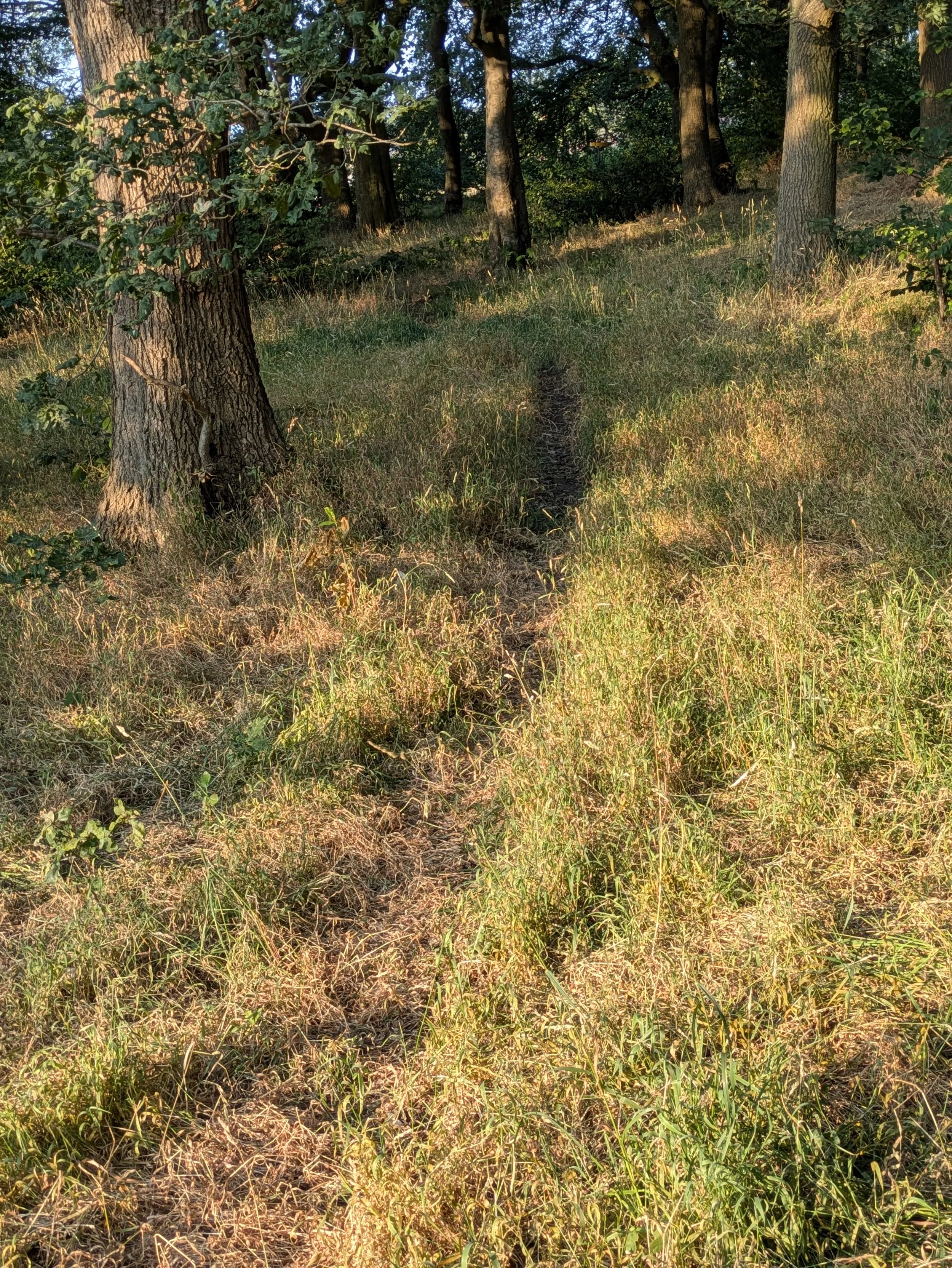
©TEA Press
You Don’t Have to Move Quickly to Be Moving
There is a quiet pressure many people carry, the sense that they should be moving faster than they are. Faster in healing. Faster in clarity. Faster in decision-making. Faster in life.
It’s a pressure that doesn’t come from the body. It comes from expectation.
You might feel it as:
a sense of falling behind
frustration with your own pace
guilt for not being “further along”
shame about needing time
fear that slowing down means you’re failing
worry that others are moving while you’re stuck
But emotional movement doesn’t respond to pressure. It responds to permission.
Your Pace Is Not a Problem
Your emotional system has its own timing. It knows when to pause. It knows when to slow. It knows when to settle. It knows when to move.
When you try to force yourself into a pace that doesn’t match your inner world, you create friction, not progress.
Your system isn’t resisting you. It’s protecting you.
It’s saying:
“I need more space than you’re giving me.”
This isn’t weakness. It’s wisdom.
Why Pace Matters
Emotional movement happens in layers. Sometimes the outer layer is ready to move, but the inner layer isn’t. Sometimes the inner layer is shifting quietly, but the outer layer looks still. Sometimes your system is processing something you haven’t yet recognised.
This is why pace matters:
it prevents overwhelm
it protects your emotional capacity
it allows deeper movement to unfold
it keeps you connected to yourself
it stops you from abandoning your own needs
Your pace is not a delay. It’s part of the movement.
Permission Is Not Passivity
Giving yourself permission to move slowly doesn’t mean:
giving up
avoiding life
refusing responsibility
staying stuck
collapsing into passivity
Permission is an act of alignment.
It’s saying:
“I will move at the pace my system can sustain.”
This is how real change happens, not through force, but through attunement.
What Pace and Permission Look Like in Practice
It might look like:
taking a day to rest instead of pushing through
giving yourself time to think before deciding
letting a feeling unfold instead of shutting it down
recognising that clarity takes time
allowing yourself not to know yet
choosing gentleness over urgency
These are not signs of avoidance. They are signs of inner respect.
You’re Not Falling Behind
If you’re moving slowly right now, it doesn’t mean:
you’re failing
you’re broken
you’re stuck forever
you’re doing life wrong
It means your emotional landscape is shifting. It means your system is recalibrating. It means something inside you needs space.
Your pace is not a problem to fix. It’s a truth to honour.
If your system could choose its own pace today, what would it be?
