It's Not About You
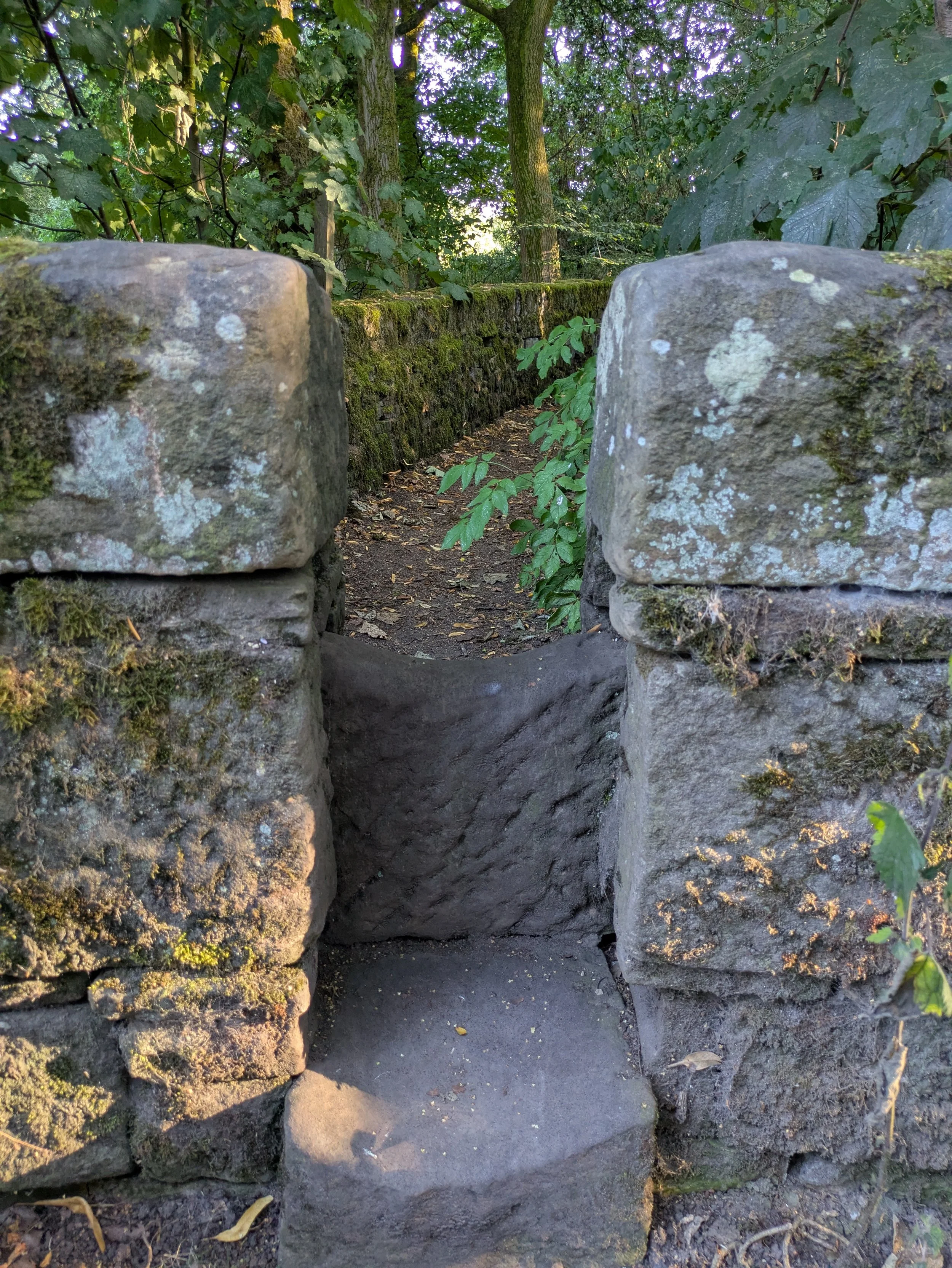
When relationships or situations become difficult, it can be hard to know: is it my fault, or does the problem lie elsewhere? Sometimes it isn't about you. It really isn’t. No matter how much you think it is, the problem may not lie in some impenetrable fault of your own. It may lie in another person's blind spot, a relationship that has fallen into unhelpful patterns, or an environment that makes it difficult for people to behave well. When something goes wrong, we often look straight at ourselves. What did I do? What did I say? What should I have done differently? If only I had handled things better, perhaps none of this would have happened.
Sometimes those are exactly the right questions to ask. At other times, we can spend an extraordinary amount of energy trying to correct something that was never ours to put right in the first place. The challenge is learning to tell the difference.
Where Does the Problem Lie?
Before we can do anything useful about a problem, we need to work out where it actually lies. This sounds straightforward enough, but it can be surprisingly difficult when emotions are involved. Someone is unhappy with us, so we assume we have done something wrong. Someone reacts badly to something we say, so we question whether we should have said it. Someone refuses to acknowledge a problem, so we search for better words, a better approach, or a better version of ourselves that might finally get through to them. We can end up going round in circles, looking for the solution in the wrong place.
Of course, we have blind spots of our own. We sometimes contribute to problems without realising it. We misunderstand situations, overlook important details and make mistakes that we would rather not admit to. Other people can often see things about us that we cannot see for ourselves, and it is worth listening, particularly when what we hear makes us uncomfortable. But there is a difference between being willing to examine ourselves and assuming that we must be at fault whenever something goes wrong.
We need to look outwards as well as inwards. To survey our relationships, our circumstances and the environments in which we spend our time. To notice what is happening around us rather than treating every difficulty as evidence of a personal failing.
Responsibility, Influence and Control
We have responsibility for our own behaviour. We can acknowledge mistakes, repair harm where possible and learn from experience. We can also influence what happens around us through the way we communicate, the choices we make and the conditions we help to create. Influence is not the same as control. We can take responsibility for our own actions and consider how they affect others, but we cannot determine how other people respond or guarantee that a situation will change.
Influence is not the same as control. We can take responsibility for our own actions and consider how they affect others, but we cannot determine how other people respond or guarantee that a situation will change. Recognising the difference between responsibility, influence and control helps us work out where our responsibility ends and where other people's begins.
We can invite a conversation, but we cannot decide its outcome. We can offer another perspective, but we cannot make someone see things differently. We can challenge an unhealthy situation, but we cannot change it single-handedly.
Sometimes we try so hard to make things right that we lose sight of this distinction. We take on more responsibility, explain ourselves repeatedly and adjust our behaviour in the hope that, eventually, the situation will improve. But what if our efforts are directed at the wrong problem? What if the other person needs to take responsibility for their own behaviour? What if the wider environment is contributing to the difficulty? What if we have already done what reasonably can be done, and the next step depends on somebody else?
Recognising these possibilities does not mean giving up. It means becoming more discerning about where to direct our energy. Sometimes we can improve a situation through co-operation and mutual understanding. Sometimes we need to establish a boundary. Sometimes the conditions themselves need to change. And sometimes we need to accept that we cannot make another person do what they are unwilling to do.
The Courage to Look Again
There is a balance to be found here. It would be easy to read all this and conclude that other people are usually the problem. That is just another way of avoiding the truth. We need enough humility to examine our own contribution honestly. Perhaps we have been defensive. Perhaps we have misunderstood something. Perhaps someone has pointed out a pattern that we would rather not acknowledge. If so, there is something to learn.
But we also need enough confidence to question the assumption that everything that goes wrong must somehow be our fault. The useful questions are these: What belongs to me? What belongs to someone else? What belongs to the wider situation? And what can I realistically do about it?
These questions help us find our bearings and allow us to distinguish between a mistake we can correct, a situation we can influence and an outcome we cannot control. We may discover something uncomfortable about ourselves. Or we may discover that we have been trying to solve a problem that was never ours to solve.
Either way, we are in a better position to decide what comes next.
You do not have to fight every dragon that crosses your path, and it helps to know whether there is actually a dragon in front of you, whether you are looking at a shadow on the wall, or whether you have somehow ended up fighting somebody else’s dragon. Learning where you stand, and what is yours to carry, helps you determine where your next step might lead.
Are there things you have been taking responsibility for that may not actually be yours to solve?
